
Built Not Born Podcast · 27 February 2026
She Built the Technology That Didn’t Exist Because Waiting Wasn’t an Option
Kim Antoniou explains how real problems shaped Kafoodle and Fonetti, why her team built voice technology that did not yet exist, and how she thinks about partnerships, reversible decisions and impact.
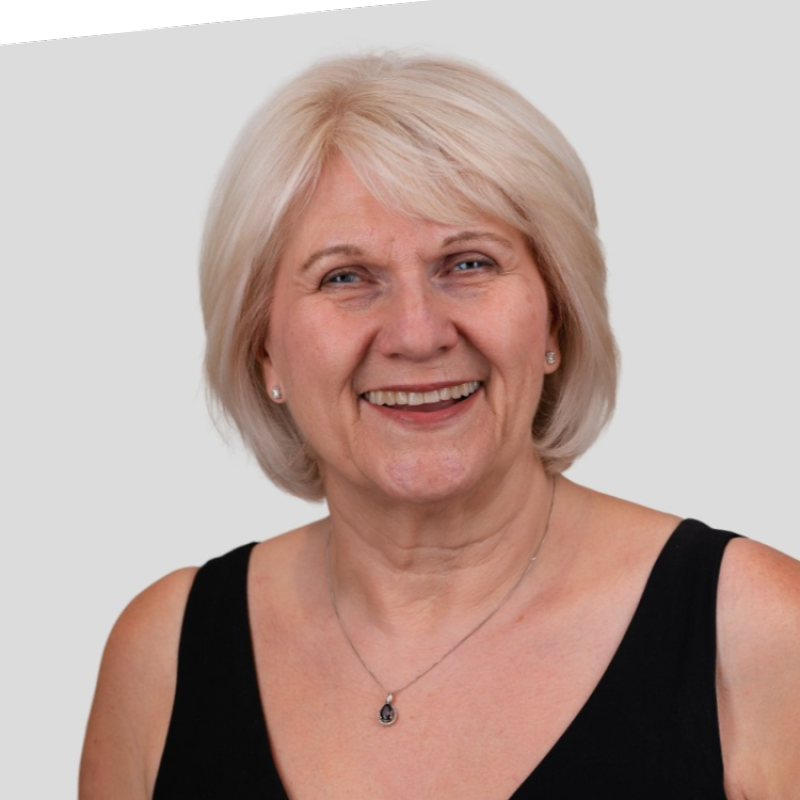 FeaturingKim AntoniouFounder, Auris Tech
Episode guide
About this episode
Kim Antoniou is an entrepreneur whose businesses have repeatedly started with the same question: what is the real problem that needs solving? In this episode of Built Not Born In Business, Kim joins Chris and Helen Butler to share a journey that includes losing a business, building technology around food safety and personalised dining, developing patented speech technology for children's reading, and learning when a founder needs to bring in people who can do the job better than they can.
Kim talks openly about one of the most difficult periods of her career, when a previous business ultimately had to close. She describes trying to keep the company and team together even as opportunities disappeared, before eventually accepting that she needed to stop. Rather than viewing that experience purely as a failure, Kim now sees it as one of the most valuable periods of her business education. It taught her the power of saying no, recognising when something is no longer working and being willing to change direction even after investing significant time, money and emotion.
That thinking connects with a principle Kim encountered through her work with Amazon: the two-way door. In business, founders can convince themselves that once they have made a decision they have to continue with it. Kim takes a different view. Wherever possible, she likes decisions to leave a route back. If new information shows that something is wrong, changing your mind and walking back through the door can be considerably better than continuing simply because you have already committed to the original decision.
Kim's experience with Cafoodle shows how closely she connects entrepreneurship with solving genuine problems. After seeing the potentially devastating consequences of food allergies, she began exploring how technology could connect the information held by a kitchen with the needs of the individual diner. What started as a recipe management system developed into something much broader, incorporating areas such as allergies, nutrition, provenance, food costing, menu management and personalised dining. Kim also recognised the limits of her own expertise and brought in a co-founder with a strong food-industry background to complement her technology and product experience.
The same problem-led approach appears in the story behind Auris Tech and Fonetti. An experience with Kim's young grandson highlighted how naturally children were becoming comfortable with handheld technology at the same time as concerns around screen time were growing. A conversation with advertising creative Bill Bungay led to an idea for combining technology and education by creating something that could listen to children reading aloud. When the available voice technology was not accurate enough, Kim and her team did not abandon the idea. They worked with Professor Peter Bell at the University of Edinburgh and began developing speech technology specifically for reading.
Building that technology required considerably more than a good idea. The team needed specialist expertise, training data and patience. Kim describes spending around a year collecting recordings of children reading around the UK to create the data needed to develop the platform. Her own family experience also gave the problem a deeper meaning. Two of Kim's children are dyslexic, so she had seen first hand how difficult reading aloud could become and how confidence could affect somebody's relationship with reading.
Kim also explains why founders should not assume they need to remain chief executive simply because they started the company. While running Cafoodle and Auris, she eventually recognised that her strongest contribution was in breaking through walls, opening doors, developing partnerships, thinking creatively and shaping products rather than managing every aspect of day-to-day operations. Bringing other people in to lead the businesses allowed her to spend more time where she could create the greatest value.
That philosophy continues to shape the way Kim thinks about leadership today. She talks about standing on the shoulders of giants and deliberately surrounding herself with people who are better than she is in particular areas. For Kim, being the smartest person in the business would be a warning sign rather than an achievement. Her ambition for the technology is ultimately bigger than retaining personal control of it. Having already supported thousands of children and accumulated significant reading data, she wants Auris and Fonetti to reach the organisations and communities capable of creating much greater impact.
Throughout the conversation, Kim's story challenges several assumptions about entrepreneurship. Closing something does not necessarily mean you have failed. Changing your mind can be a strength. A founder does not need to know everything. And sometimes the biggest opportunity begins not with an idea for a product, but with understanding a problem deeply enough that you become determined to solve it.
Key takeaways
What you'll learn
- Start with a real problem and look for evidence that the pain is urgent, repeated and shared by more than one stakeholder.
- A technical limitation does not always mean the idea has to stop. Sometimes the missing capability can become the thing you build.
- Reversible decisions are useful because they let founders move, learn and change direction without treating every choice as permanent.
- Strong advisers and senior people should improve decisions and challenge the founder, not simply agree with them.
- There is a point when a business or technology needs a bigger platform, different leadership or a new owner in order to keep growing.
- Usage, evidence and real-world outcomes can create the foundation for future commercial growth.
Questions from this episode
Frequently asked questions
Who is Kim Antoniou?
Kim Antoniou is an entrepreneur and technology founder whose businesses have included Cafoodle and Auris Tech, the company behind Fonetti. Her work has covered areas including food technology, personalised dining, speech recognition and children's literacy. Throughout the episode, she discusses building businesses around genuine problems and bringing specialist people into a company when their expertise is stronger than her own.
What did Kim Antoniou learn from losing a business?
Kim describes losing a previous business as an extremely difficult and stressful experience, but also one of the periods from which she learned the most. She talks about reaching a point where she had to accept that continuing was no longer the right answer. The experience helped teach her when to say no, when to stop and why founders should not continue down the wrong path simply because of the time, money or emotion they have already invested.
What is the two-way door principle Kim discusses?
Kim describes the two-way door as a way of thinking about business decisions that she encountered through her relationship with Amazon. Wherever possible, a decision should leave you with the ability to change your mind and come back through the door if new information shows that the original direction was wrong. For Kim, reversing a decision is often much healthier than continuing purely because you feel committed to it.
How did the idea for Cafoodle develop?
Cafoodle developed from Kim's understanding of the problems surrounding serious food allergies and the responsibilities shared between food establishments and diners. She began exploring whether a kitchen and recipe management system could connect directly with an individual diner so they could understand what was safe for them to eat. The system subsequently expanded beyond allergies into areas including nutrition, provenance, food costing, menu management and personalised dining.
Why did Kim Antoniou bring a co-founder into Cafoodle?
Kim recognised that although she understood technology, products and how the system could connect information with users, she did not have deep expertise in the food industry. She approached Taryn, someone she knew and respected who did have that background, and invited her to become a co-founder. Kim describes the combination of their different expertise as an important part of developing and growing the business.
How did Auris Tech and Fonetti begin?
The initial idea followed an experience with Kim's grandson, who was able to navigate technology instinctively at a very young age. A later conversation with advertising creative Bill Bungay developed into an idea around educational screen time and encouraging children to read aloud. They wanted to build technology capable of listening to a child reading and responding to them, which eventually led to the development of specialist speech technology for reading.
What did Kim do when existing voice technology was not good enough?
Rather than abandoning the idea, Kim and her team decided to investigate building the technology themselves. They were introduced to Professor Peter Bell at the University of Edinburgh and entered into a commercial relationship with the university. Developing the technology also required substantial amounts of specialist voice data, so Kim's team spent around a year travelling to schools and recording children reading to create the training data they needed.
How did Kim manage running two businesses at the same time?
Kim explains that the amount of attention each company needed changed over time. Eventually she recognised that she could not and should not be chief executive of both businesses. Other leaders took responsibility for running the companies day to day, allowing Kim to concentrate more heavily on areas where she believed she was strongest, including partnerships, business development, products, creativity and opening doors.
Why does Kim believe founders should hire people who are better than them?
Kim is a strong advocate of surrounding herself with people whose expertise exceeds her own. She says that the day she becomes the smartest person in her business is probably the day she needs to let go. Rather than seeing talented specialists as a threat, she wants to bring people into the company who can perform particular roles better than she can and allow them to take responsibility for those areas.
What is Kim Antoniou's long-term ambition for Auris Tech and Fonetti?
Kim sees herself as the current guardian of the technology rather than somebody who needs to control it forever. Her ambition is to continue developing its reach and impact before ultimately getting the technology into the hands of a sufficiently large organisation or global player that can take it to a much bigger community. She also wants the reading data the company has accumulated to be useful to organisations working to improve literacy and educational outcomes.
Resources from this episode
Put the ideas into practice.
Download the practical resources created from this conversation.
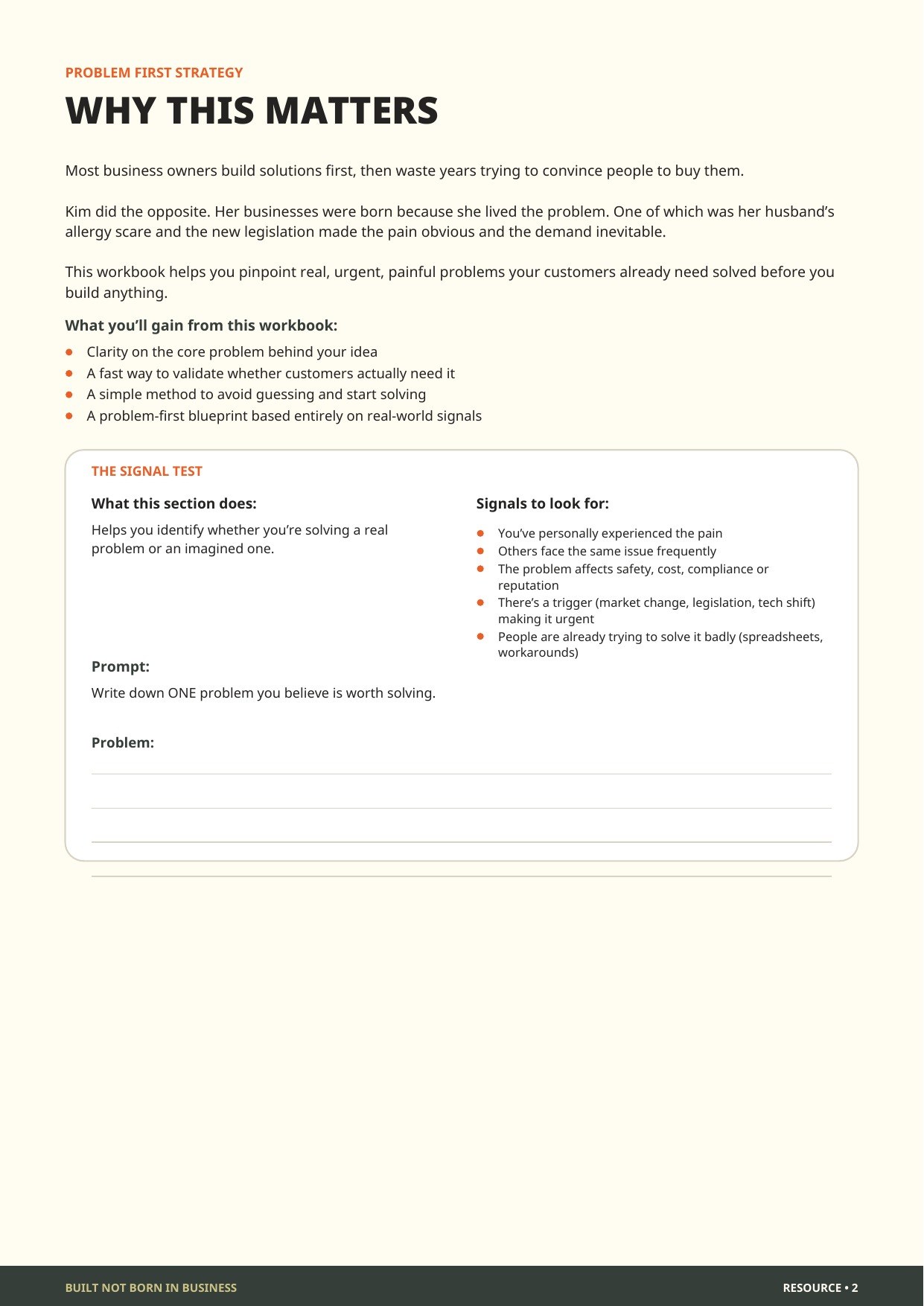
The ’Real Problem’ Identifier Blueprint
A practical workbook for testing whether a business idea is rooted in a real, urgent customer problem before you build the solution.
Get this resource →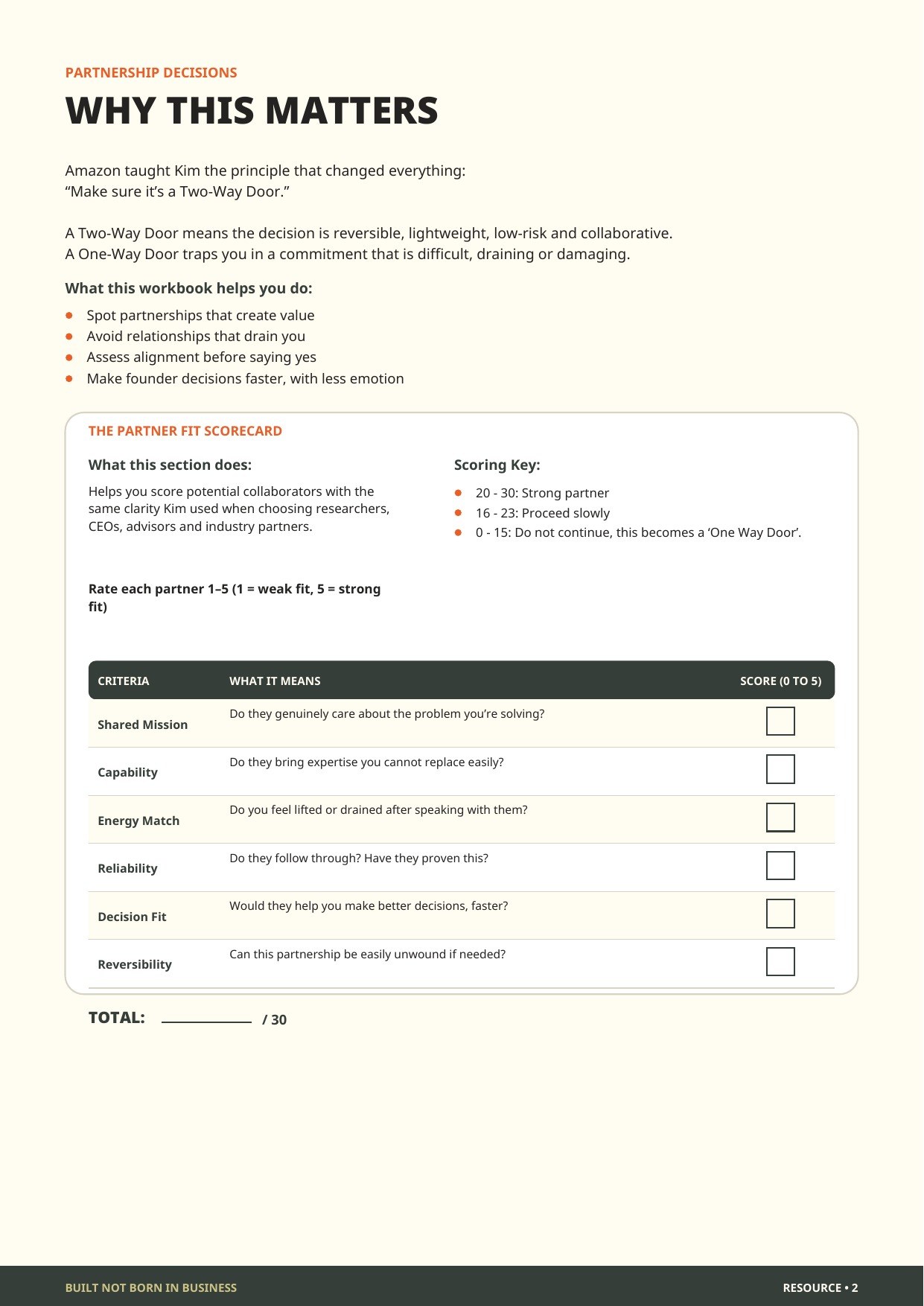
The Two Way Deal Decision Tool
A decision workbook for assessing partners, advisers and collaborators, with a fit scorecard and a Two-Way Door check for reversible decisions.
Get this resource →