
Built Not Born Podcast · 8 May 2026
We Built Two Businesses, a Marriage and a Podcast Here's What No One Sees
Andrew Hulbert and Kim Antoniou turn the tables on Chris and Helen Butler to uncover what it really takes to build businesses, a marriage and family life together.
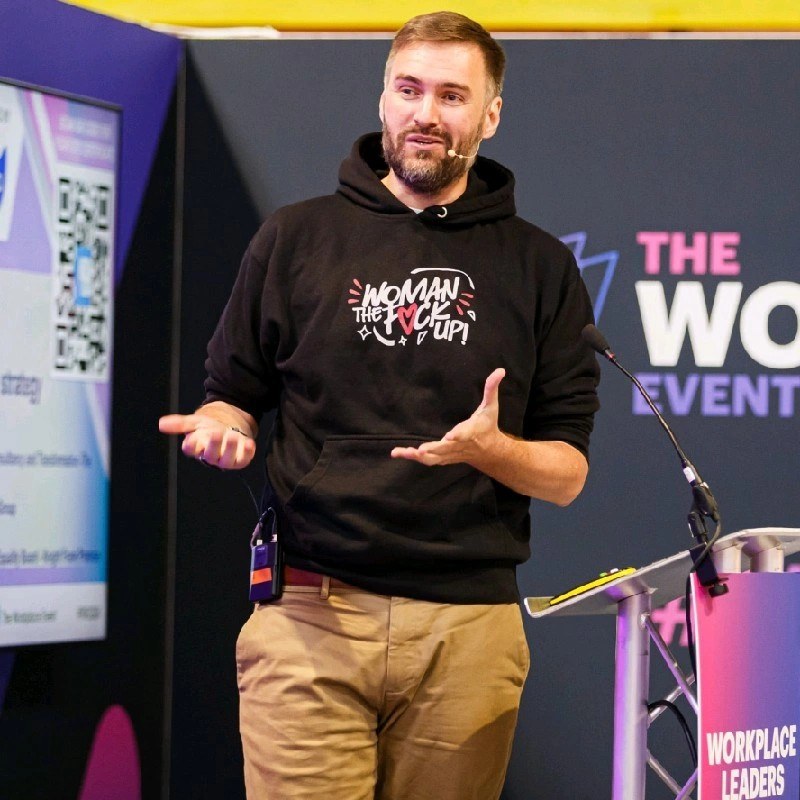 FeaturingAndrew HulbertExited founder of Pareto, Pareto
Episode guide
About this episode
In this episode of Built Not Born In Business, the tables are turned as previous guests Andrew Hulbert and Kim Antoniou take over the questioning and put Chris and Helen Butler in the hot seat. Rather than interviewing another founder, Chris and Helen unpack their own journey of building businesses together while navigating marriage, family life and two very different personalities.
Helen traces the beginnings of Thread A Pixel back to her career as a fashion designer and the decision to start a gifting business alongside her job. As the idea developed, Chris brought his business, creative and production experience into the mix and they eventually shifted their focus towards B2B workwear. They explain why they wanted to approach the industry differently, from considering different body shapes and working environments to helping customers choose clothing that is actually right for the people wearing it.
They also talk openly about what it has really been like to work together as husband and wife. In the early days, both of them tried to be involved in almost everything, which regularly resulted in arguments. Over time they realised that their differences could become one of their biggest strengths if they stopped trying to control the same things. Chris and Helen discuss learning to trust each other, dividing responsibilities around their individual strengths and being able to challenge one another without allowing every disagreement to follow them home.
The conversation then moves into the story behind Two Krakens. Chris explains how frustration with outsourced video production helped expose a problem he believed many other businesses were experiencing too: they knew what they wanted to communicate, but struggled to find somebody who could understand the message and turn it into the right film. That experience eventually helped shape an approach built around story, emotion, preparation and making the person in front of the camera feel comfortable.
Andrew and Kim explore why Chris makes a distinction between quick content and film that becomes a longer term business asset. A piece of footage created for a moment can have value, but content that will repeatedly represent a company across its website, sales process, email marketing or social channels deserves more thought. The discussion looks at how everything from the story and soundtrack to the filming environment and experience of the person being interviewed can influence the finished result.
Away from the businesses themselves, Chris and Helen discuss the less visible reality of combining entrepreneurship with family life. They talk about parenting, business guilt, parent guilt and the different forms of mental load each person can carry. Their definition of success has also changed along the way. Rather than simply wanting to build the biggest company possible, they now place much greater importance on quality, customer care, meaningful work and building businesses they can genuinely be proud of.
Key takeaways
What you'll learn
- Working with your partner becomes easier when responsibilities are clear and each person is trusted to own their area.
- Different personalities and skills can become an advantage when both people are aiming for the same outcome.
- Respecting different kinds of workload matters, especially when business responsibilities and family responsibilities overlap.
- Customer trust is built through care, honest advice and doing what is right for the customer rather than simply maximising a transaction.
- Business film is strongest when story, emotion and human connection are treated as part of the work, not as an afterthought.
- Quick footage can be useful in the moment, but content intended to represent the business repeatedly should be treated as a long term asset.
- Growth does not have to mean becoming the biggest. Chris and Helen describe a shift towards quality, usefulness and being proud of the work.
Questions from this episode
Frequently asked questions
How did Chris and Helen Butler start working together in business?
Helen explains that she originally worked as a fashion designer before starting a gifting business alongside her career. Chris brought business, graphics and production skills to the venture, while Helen brought her fashion experience and customer-facing strengths. They eventually moved towards B2B workwear and developed what became Thread A Pixel.
What helped Chris and Helen work better together as a couple in business?
Chris and Helen explain that the early years involved plenty of arguments because they were both trying to be involved in too many of the same areas. A major change came when they learned to trust each other to take ownership of the parts of the business that suited their individual strengths instead of both trying to control everything.
What does the episode say about balancing business and family life?
Chris and Helen discuss the competing pressures that come with running businesses while also being parents and partners. They talk about different forms of responsibility, mental load, parent guilt and business guilt, and why it is important to recognise what the other person is carrying rather than assuming one type of work or responsibility matters more.
Why did Chris and Helen create Two Krakens?
Chris explains that part of the idea came from their own frustrating experience of outsourcing video work and feeling that the finished result did not capture the message they were trying to communicate. That helped identify a wider problem for businesses and influenced their decision to build a video and podcast company focused much more heavily on story, emotion, preparation and helping people feel comfortable on camera.
What is the difference between quick content and a long term business asset?
The episode distinguishes between footage created quickly for a particular moment and content designed to represent a business repeatedly over time. Film that will be used on a website, throughout a sales journey, in email marketing or repeatedly across social media deserves greater planning and investment because it continues to communicate the quality and story of the business long after it was originally created.
What does success look like for Chris and Helen now?
Chris and Helen explain that their priorities have changed over time. Rather than focusing on becoming the biggest business possible, they are increasingly interested in doing the best work they can and building businesses they are proud of. For Two Krakens, that means helping more businesses understand the value of story-led film. For Thread A Pixel, it means helping customers make better workwear choices for the people who will actually wear it.