
Built Not Born Podcast · 30 January 2026
The People Secret Behind a $100m Exit
Exited Pareto founder Andrew Hulbert shares the people-first principles behind building a 550-person business, creating loyalty and preparing for life after a major exit.
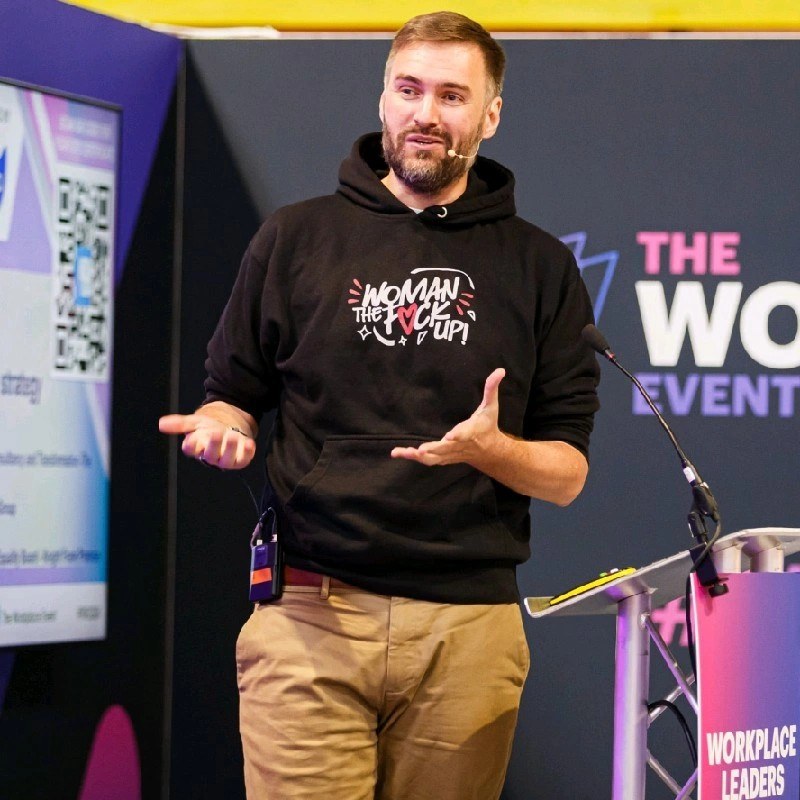 FeaturingAndrew HulbertExited founder of Pareto, Pareto
Episode guide
About this episode
Andrew Hulbert built Pareto from a bedroom start-up into a facilities management business employing around 550 people and turning over approximately £42 million before his exit. In this episode of Built Not Born In Business, Andrew joins Chris and Helen Butler to explore one of the biggest factors behind that growth: people. Rather than treating culture as something written on a wall or recruitment as a process for finding the most impressive CV, Andrew explains why the way a business attracts, develops, rewards and looks after its people can become a genuine commercial advantage.
Andrew breaks much of his approach down into a framework called SHARE: See Potential, Human First, Adapt Your Role, Rewards and Recognition, and Embed Culture. It starts with looking beyond the obvious candidate. Relevant experience matters, but Andrew believes businesses can miss exceptional people when they concentrate too heavily on qualifications, polished CVs or conventional career paths. At Pareto, recruitment became much more about understanding the human being, their character, their potential and whether both sides genuinely wanted to work together. He also discusses steps the company took to challenge bias, including removing names from CVs during parts of the recruitment process.
Putting humans first also meant recognising that employees have lives outside work. Andrew shares examples of adapting jobs around people's circumstances, particularly parents who had valuable skills but needed flexibility that traditional roles did not offer. Rather than automatically seeing those requirements as a problem, Pareto looked at whether the role itself could change. For Andrew, that flexibility was not simply an employee benefit. Finding ways for good people to build work around their lives could create loyalty and give the business access to talented individuals other employers might overlook.
Recognition was another deliberate part of the culture. Andrew talks about everything from relatively small £50 rewards for people demonstrating positive behaviours to £10,000 payments when employees introduced opportunities that became significant contracts. At senior level, the principle went further through ownership arrangements that allowed important members of the team to share financially in the value they were helping to create. The wider lesson is that if a business wants particular behaviours repeated, leaders need to notice and reward them rather than simply expecting them.
The conversation also explores what it really means to embed culture. Andrew's experience suggests that culture is created through repeated leadership behaviour rather than slogans. What leaders tolerate, recognise, celebrate and do themselves sends a much stronger message than a list of company values. That can include supporting employees' interests and passions outside their immediate job, creating opportunities for people to develop and making sure the promises made during recruitment are reflected in the reality of working for the company.
Andrew's story does not end with the sale of Pareto. He talks candidly about preparing for an exit and why founders can spend years planning the transaction without properly considering what happens to them afterwards. Selling a company can remove the structure, identity, responsibility and sense of purpose that has shaped somebody's life for years. Andrew worked with a business psychologist before his exit to think about that transition and began considering what his normal weeks would actually look like once he was no longer running the company.
That leads into a much broader conversation about family, time and what success is ultimately supposed to provide. Andrew reflects on the sacrifices involved in building a company at that scale and the importance of understanding what you are working towards before you eventually reach it. Financial preparation matters, but so do identity, relationships, purpose and how you want to spend your time when the deal is complete.
For founders and leaders, this episode provides a practical challenge on both sides of the entrepreneurial journey. While you are building, ask whether your business is genuinely designed around getting the best from people and giving them reasons to care about its success. And if an exit is part of the plan, do not prepare only for the day the money arrives. Prepare for the ordinary Monday morning afterwards too.
Key takeaways
What you'll learn
- Hire for potential and character, not only the most polished CV.
- Treat recruitment as a human conversation and a two-way sale.
- Adapt roles around people where the work allows it, especially when flexibility creates loyalty and access to overlooked talent.
- Reward the behaviours you want repeated, from small recognition to meaningful ownership.
- Culture is what leaders repeatedly do, not what a values poster says.
- A business exit needs preparation for identity, structure, purpose and direction, not only the transaction.
- Plan for the normal weeks after exit, not just the celebration day.
Questions from this episode
Frequently asked questions
Who is Andrew Hulbert?
Andrew Hulbert is the founder of Pareto FM, a facilities management business he started in 2014. Over approximately a decade, Pareto grew from a bedroom start-up into a business employing around 550 people and generating approximately £42 million in turnover before Andrew exited. In this episode he focuses particularly on the people and culture principles that helped shape that growth.
What is Andrew Hulbert's SHARE framework?
SHARE stands for See Potential, Human First, Adapt Your Role, Rewards and Recognition, and Embed Culture. Andrew uses the framework to explain several of the people-first principles behind Pareto, from looking beyond a candidate's CV and designing roles around people's circumstances to recognising contribution and ensuring company culture is reflected in everyday behaviour.
How did Andrew Hulbert approach recruitment at Pareto?
Andrew treated relevant experience as only part of the recruitment decision. He wanted to understand the actual person, their character, potential and whether there was a genuine fit between them and the business. Recruitment was treated as a two-way conversation rather than simply an employer judging a candidate. He also discusses removing names from CVs during parts of the recruitment process as one way of reducing racial bias.
Why does Andrew believe businesses should adapt roles around people?
Andrew argues that businesses can overlook talented people when every job is forced into a conventional structure. He gives examples involving parents who had valuable experience and ability but needed greater flexibility. Where the work allowed it, Pareto adapted roles around people's circumstances. This could create loyalty while opening the business to people who might otherwise have been excluded by more rigid working arrangements.
How did Pareto reward and recognise its employees?
Recognition ranged from relatively small rewards, such as £50 vouchers for positive behaviours, to much larger incentives. Andrew describes £10,000 rewards for employees whose introductions resulted in significant new contracts. Senior people could also participate through ownership arrangements, giving individuals who were helping create long-term value an opportunity to share in the eventual outcome.
What does Andrew Hulbert believe creates a strong company culture?
Andrew's approach is that culture comes from what leaders repeatedly do rather than simply what a company says its values are. The behaviours leaders recognise, reward, tolerate and demonstrate themselves shape what employees understand the culture to be. Supporting people, keeping promises and consistently behaving in line with the organisation's values therefore matter more than simply displaying those values.
Why should founders prepare personally for selling their business?
Andrew explains that an exit changes much more than somebody's finances. A founder can suddenly lose the structure, identity, responsibilities and sense of purpose that have occupied their life for years. He worked with a business psychologist before his own exit and believes founders should think deliberately about who they will be, how they will spend their time and what will give them purpose once they are no longer running the company.
What should a founder think about when planning life after an exit?
Andrew encourages founders to think beyond the celebration of completing the deal and consider what ordinary life afterwards will actually look like. That includes family, relationships, weekly structure, purpose, financial arrangements and what they want to do next. His experience highlights why an exit needs a life plan alongside the legal and financial plan.
Resources from this episode
Put the ideas into practice.
Download the practical resources created from this conversation.
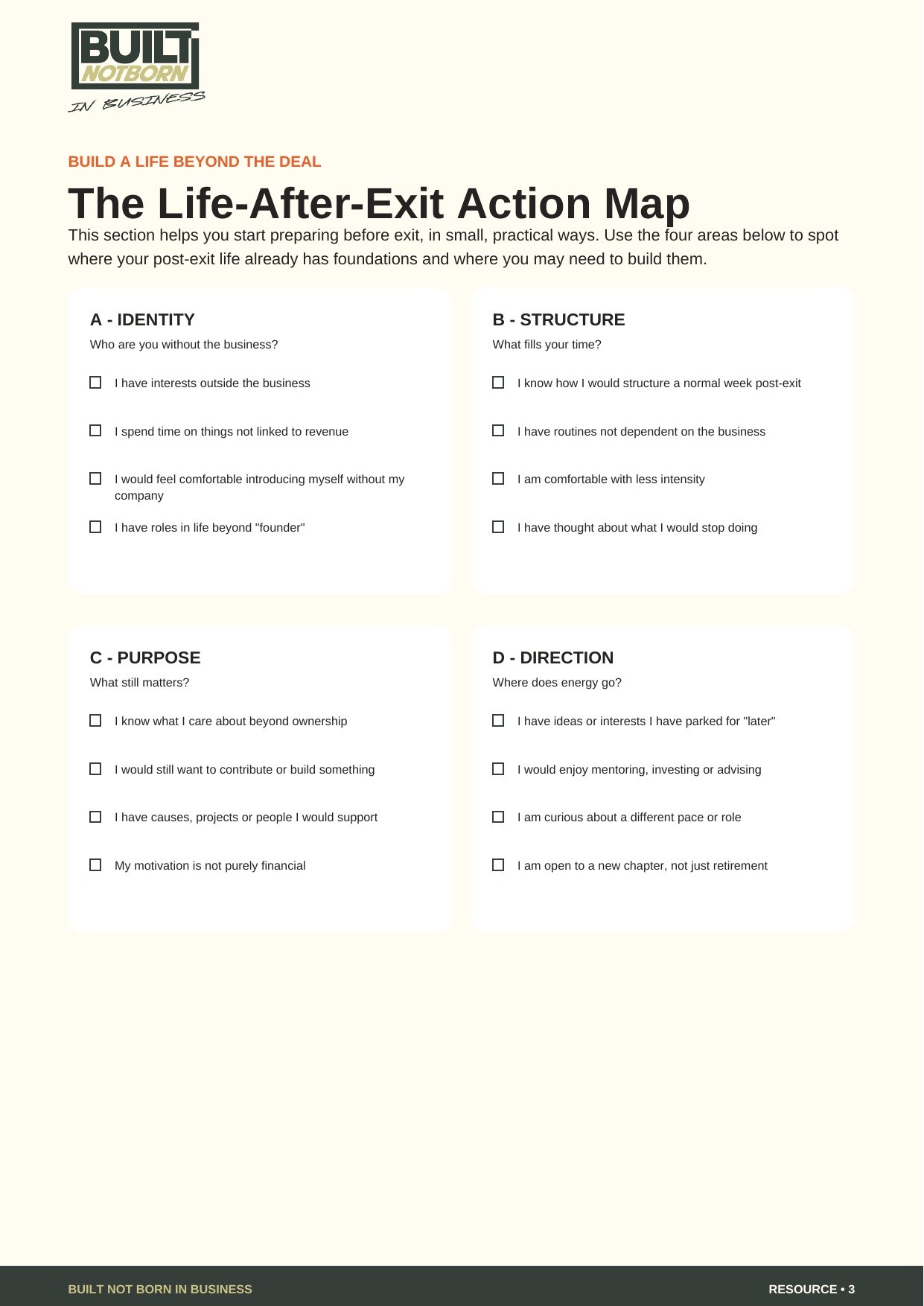
The Founder Exit Readiness Framework
Inspired by Andrew Hulbert's reflections on life after a major business exit, this workbook helps founders think beyond the transaction. It guides you through the 'island check', maps identity, structure, purpose and direction, and turns the result into a practical post-exit action plan.
Get this resource →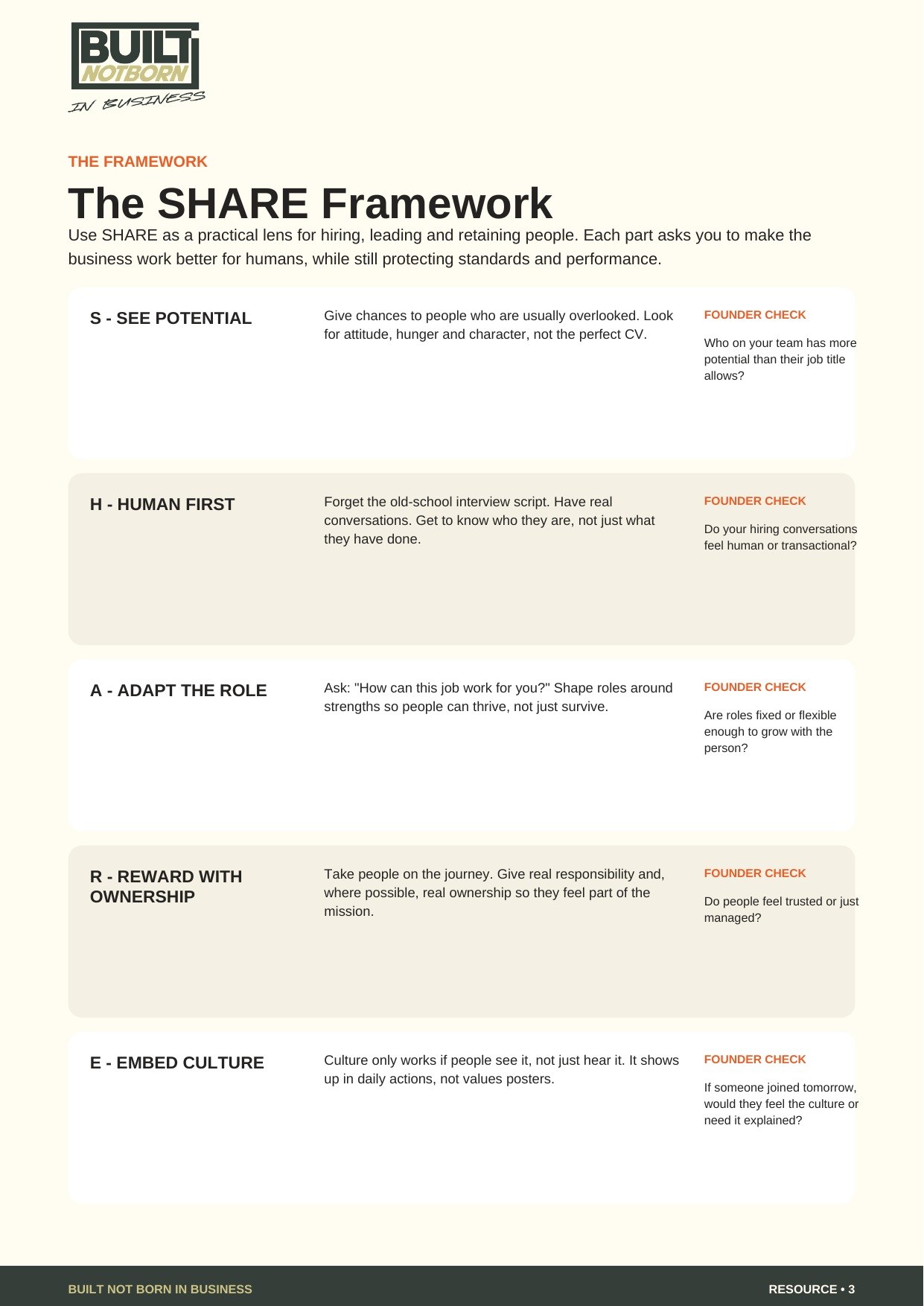
The 'SHARE' Blueprint
The SHARE Blueprint turns Andrew Hulbert's people-first philosophy into a practical working framework. Use See Potential, Human First, Adapt the Role, Reward with Ownership and Embed Culture to assess how your team experiences the business, then choose the actions that matter most over the next 30 days.
Get this resource →