Built Not Born Podcast · 13 June 2025
Why Health & Safety Matters: Marissa Firkins on Leadership, Teams & Accents
Marissa Firkins shares practical health and safety advice for smaller businesses, plus lessons on leadership, hiring, hybrid work, business growth and the realities of running a company.
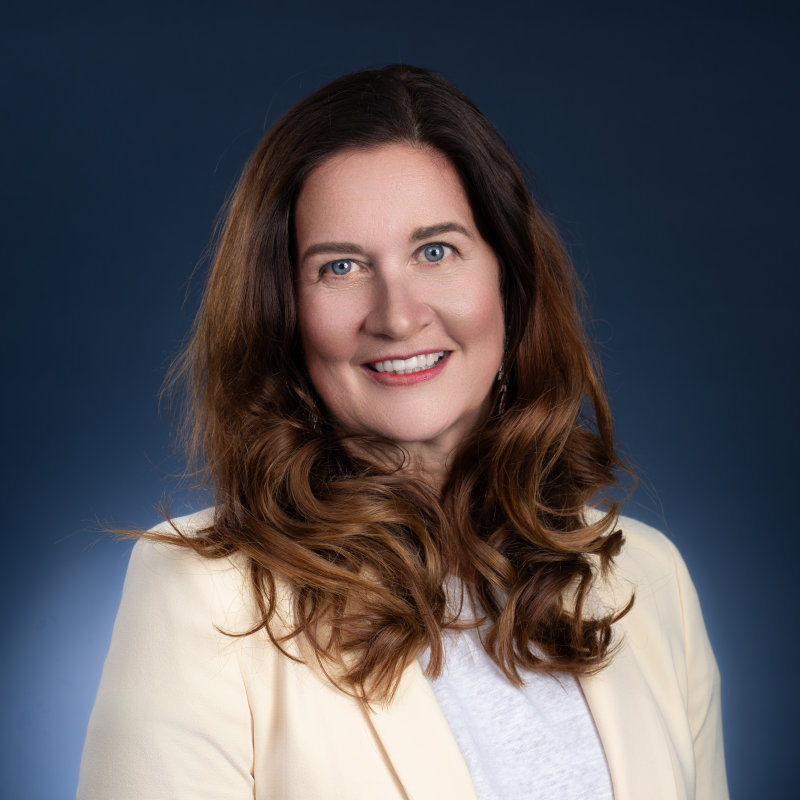 FeaturingMarissa FirkinsFounder, Safety Forward
Episode guide
About this episode
Health and safety can feel intimidating to a smaller business, especially when owners are faced with legislation, risk assessments and the fear of getting something wrong. Marissa Firkins argues that the starting point should be much simpler: understand the actual level of risk in the business, keep the approach proportionate and use plain English wherever possible.
Marissa is the founder of Safety Forward, a Staffordshire-based health and safety consultancy that works across the UK and beyond. The business supports organisations in areas including construction, manufacturing, engineering, local authorities, charities, retail and office-based environments. She explains how her earlier career in law enforcement shaped a strong focus on protecting people and eventually led her into health and safety.
For business owners who are not yet at the point of bringing in a consultant, Marissa highlights the value of free support. Insurance providers may offer health and safety advice lines, while the Health and Safety Executive provides practical guidance for common workplace situations. Her advice is to understand the risk before assuming that outside consultancy is automatically required.
The conversation also explores what it means to run a company alone. Marissa prefers being the sole owner, but recognises that leadership can be lonely. She credits a strong senior team, supportive business contacts and a trusted mentor with helping her make better decisions and avoid feeling that every problem has to be solved in isolation.
Team building is a major theme. Marissa explains that small businesses offer nowhere to hide, which means people often need a broader skill set and a willingness to take responsibility. Safety Forward increasingly hires with values, personality and soft skills in mind, while technical knowledge can be developed through training and mentoring.
Hybrid working is discussed as something that should fit the role rather than become a blanket rule. Marissa's more experienced consultants can work between home, client sites and the office, while newer team members benefit from being around colleagues, listening to conversations and learning how the business operates in practice.
The episode also moves into business growth, strategic resets and the pressure to keep adding people. Marissa reflects on earlier plans to grow Safety Forward to a much larger headcount, then questions whether that would really have represented success. Chris and Helen share a similar experience of reducing team size, tightening systems and becoming more profitable. The broader point is that growth needs to support the life and business the owners actually want.
Alongside the business discussion, Marissa talks openly about her Brummie accent, the assumptions people can make about regional speech and why she has learned to embrace it. That theme connects back to a wider message running through the episode: confidence, identity and leadership are often shaped by being comfortable with who you are rather than trying to fit somebody else's version of what a business owner should look or sound like.
Key takeaways
What you'll learn
- Keep health and safety proportionate to the real level of risk in the business rather than overcomplicating it.
- Small businesses that are not ready for consultancy support can often start with insurer advice lines and guidance from the Health and Safety Executive.
- A strong senior team, a trusted network and a good mentor can make solo business ownership feel far less isolating.
- Hybrid working can work well for experienced people, while newer team members may benefit from spending more time around colleagues as they learn.
- Hiring for attitude, values and soft skills can be especially important in a small business where people need to adapt across different responsibilities.
- Growth should be judged by the business and lifestyle it creates, not simply by headcount.
Questions from this episode
Frequently asked questions
How can a small business keep health and safety simple?
Marissa recommends starting with the real level of risk in the business and avoiding unnecessary complexity. Clear, plain-English advice and proportionate controls can make health and safety far easier to manage.
Where can a small business get free health and safety help?
The episode highlights insurer advice lines and the Health and Safety Executive website as useful places to start when a business needs guidance but is not yet ready to appoint a consultant.
Does hybrid working suit every small business?
No. Marissa explains that it can work well for experienced people whose roles allow it, while newer employees may gain more from being around colleagues as they build confidence and knowledge.
What should a small business look for when hiring?
Marissa places strong emphasis on personality, values and soft skills. In a small business, people often need to adapt across different tasks, while technical skills can be taught and developed.
Is a bigger team always a sign of business success?
The discussion challenges that assumption. Marissa, Chris and Helen all reflect on the value of systems, software and clearer processes before automatically adding headcount.