
Built Not Born Podcast · 31 October 2025
What It’s Really Like as Women Running a Business in Construction - Episode 38
Laura Molineux and Kelly Easthope share the reality of running a women-led construction business, from confidence and customer service to rising costs, team pressures and steady growth.
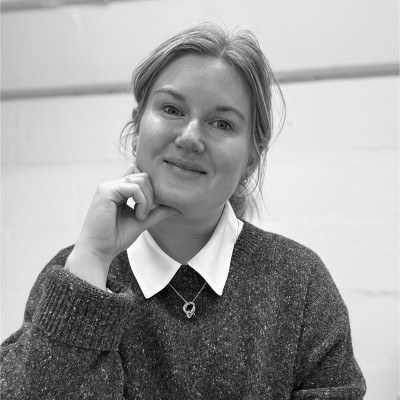 FeaturingLaura MolineuxCo-owner, Hayley Windows Design and Installation Ltd
Episode guide
About this episode
Laura Molineux and Kelly Easthope run Hayley Windows Design and Installation Ltd, a long-established business that began with Laura’s father. In this conversation with Chris and Helen, they talk about what it is really like to lead a construction-related business as two women, how their partnership works and what they have learned from several years of building the company together.
One of the strongest themes is confidence backed by knowledge. Laura and Kelly say that being women in a sector still widely seen as male dominated can actually make them more memorable, but only when that visibility is supported by a strong understanding of the products and the industry. They also see a broader shift in the market, with more women managing renovations, making purchasing decisions and pursuing careers in construction.
Their working relationship is built around complementary strengths. Laura’s side of the business centres on sales, marketing and fresh ideas, while Kelly’s strengths are described around numbers, organisation, customer care and making those ideas work in practice. They do disagree, but a shared commitment to the company and a clear understanding of each person’s lane helps them move past those disagreements quickly.
The episode also looks at how external shocks changed the business. During COVID, the company initially shut for seven weeks before returning to a period of intense demand. Remote quoting became normal, customers were easier to schedule because they were at home, and the team changed its ordering process so products could arrive, be checked and then be booked for installation. That process remained useful because it gave the business more control over quality before fitters reached site.
As the market normalised, a different challenge took over: cost. Laura and Kelly describe repeated supplier increases, higher staffing and business costs, and the difficulty of explaining to customers why prices have moved so sharply. That leads into a broader discussion about margin, with the guests pointing out that the value of a large sale is very different from the amount left to run the business after materials, labour and overheads have been paid.
Customer service is a major part of how they differentiate the company. Their argument is that a customer is not only buying windows or doors, but the quality control, installation, aftercare and confidence that somebody will still answer the phone if a problem appears years later. That can be difficult to communicate when a cheaper quote is on the table, especially when household budgets are under pressure, but it remains central to how they want to operate.
The conversation closes on the realities behind business ownership. They discuss the danger of comparing a business with people who only show turnover, cars or headline success, the pressure of managing staff, and the need to focus on sustainable profit rather than vanity growth. Their advice to women considering construction is to know the craft and be confident. Their reflections on their own younger selves are equally practical: customer problems usually have a solution, and change should not be feared simply because the business has always done something another way.
Key takeaways
What you'll learn
- Knowledge and confidence can turn being a woman in a male-dominated construction sector into a point of distinction rather than a disadvantage.
- A business partnership becomes easier to manage when responsibilities are divided around genuine strengths and both owners share the same overall goals.
- Hayley Windows changed its ordering process after COVID so products could arrive, be checked and then be booked for installation, reducing pressure and avoidable problems on site.
- Customers often compare headline prices, but long-term value also includes quality control, aftercare and having a reputable company available when something needs attention years later.
- Rising supplier, staffing and business costs put pressure on margins, making it important to understand what a job actually contributes rather than focusing only on turnover.
- Steady, controlled growth can be more sustainable than chasing rapid sales growth that the team and service operation cannot support.
- For women entering construction, their advice is simple: know the craft, understand what is being sold or delivered, and be confident in that knowledge.
Questions from this episode
Frequently asked questions
Is being a woman a disadvantage when running a construction business?
Laura and Kelly say it can work to their advantage because they are more memorable, but they stress that confidence has to be backed by real product and industry knowledge. They also describe a wider shift towards more women making decisions, managing renovation projects and entering construction careers.
How do Laura Molineux and Kelly Easthope divide responsibilities at Hayley Windows?
The episode describes Laura’s strengths around sales, marketing and new ideas, while Kelly’s strengths are around numbers, organisation, customer care and making ideas work operationally. They believe that keeping clear areas of responsibility helps the partnership work.
What business process did Hayley Windows keep after COVID?
The company changed the way it handled orders so products came in first, could be checked, and were then booked for installation. They kept that approach because it improved quality control and reduced the chance of discovering problems only after the team reached site.
Why can a more expensive construction quote still offer better value?
Laura and Kelly argue that the price also supports the service around the product, including quality control, reliable fitting and long-term aftercare. A reputable business that is still available years later has operating costs that a simple headline quote may not show.
Why do the guests focus on profit as well as turnover?
They discuss how large sales figures can be misleading once materials, labour, staff and overheads are taken into account. The episode makes the case for controlled, sustainable growth and understanding what is actually left in the business rather than judging success on turnover alone.