
Built Not Born Podcast · 24 April 2026
The Newsreader Who Learned Trust Under Pressure | Arti Halai
Former BBC and ITV journalist Arti Halai explains what live news taught her about trust, pressure and communication, then turns those lessons into practical tools for business leaders.
 FeaturingArti HalaiCommunication Specialist and Former BBC & ITV Journalist
Episode guide
About this episode
Arti Halai spent 15 years working in news and current affairs as a reporter, producer and presenter for the BBC and ITV Central News before taking those lessons into the world of business. In this episode of Built Not Born In Business, Arti joins Chris and Helen Butler to explore what working in live television taught her about trust, credibility, communication and performing when the pressure is on.
Arti takes Chris and Helen behind the scenes of a newsroom during major breaking stories, including the death of Diana, Princess of Wales and the attacks of 11 September 2001. She explains that when events of that scale are unfolding, there often is not time to fully process their significance. Instead, journalists have to move into work mode, establish what is actually happening, verify information, understand how the story is developing and communicate it clearly to an audience. Those experiences provide a fascinating parallel with leadership and business, where people are often judged most closely by how they communicate when circumstances become difficult or uncertain.
A major theme of the conversation is trust. Arti argues that simply telling customers or colleagues that you are trustworthy means very little. Trust is built through authenticity, credentials, consistency and behaviour. People look for evidence that what you say matches what you actually do. Chris shares an example of a technical problem at the podcast studio and how taking responsibility, explaining what had happened and offering a solution helped protect the relationship with the customer. Arti explains why owning a mistake can actually strengthen trust when it is handled properly.
The conversation also explores the difference between simply speaking and genuinely communicating. Arti distinguishes between talking to someone, talking at someone and talking with someone. Effective communication requires noticing whether the other person is still engaged, allowing them space to respond and being willing to adapt rather than simply delivering everything you wanted to say. One of the simplest tools she recommends is also one many people find uncomfortable: silence. A deliberate two or three second pause can create emphasis, give somebody time to think and prevent us from rushing into an answer simply because silence feels awkward.
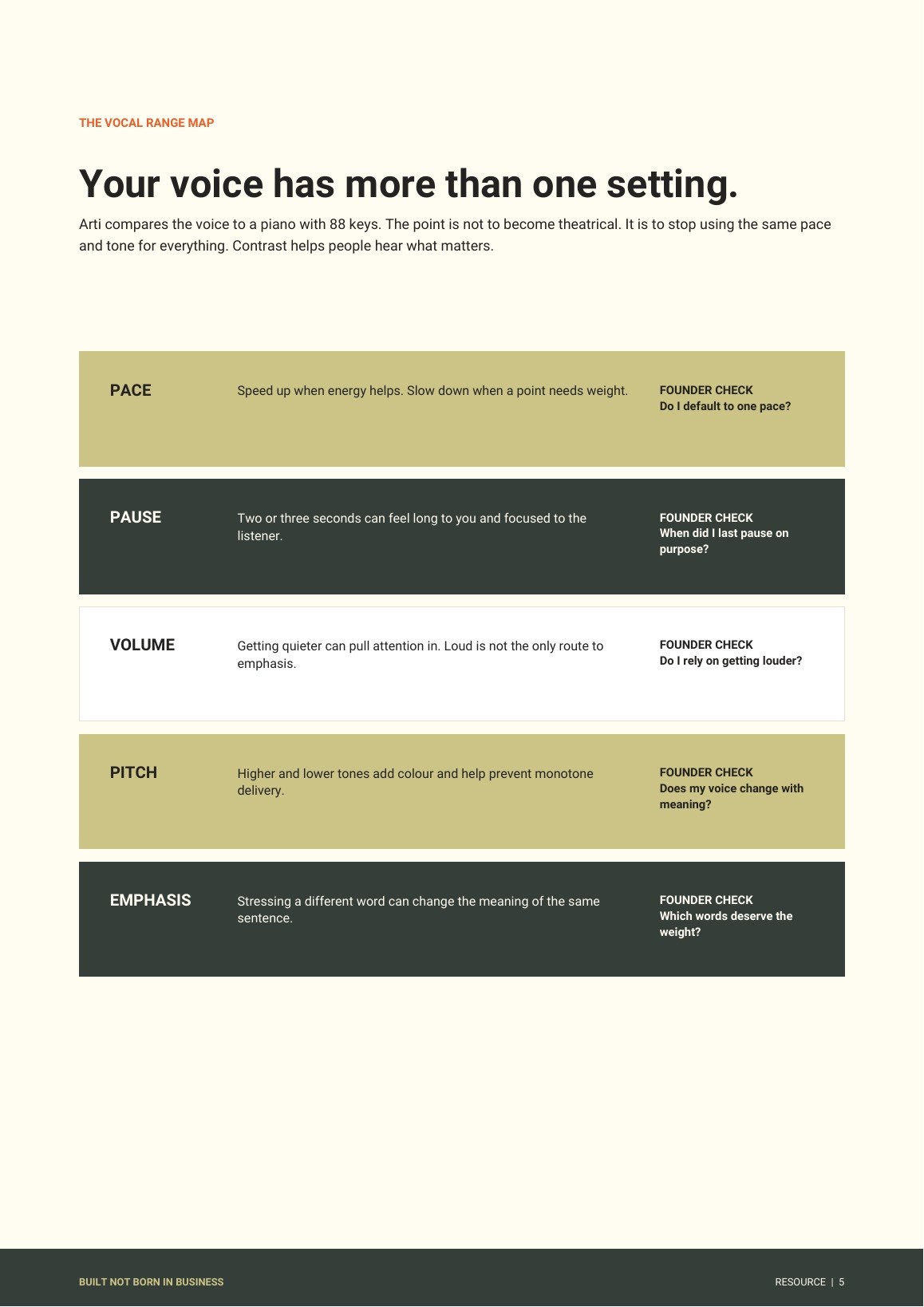
Arti then breaks communication down into practical skills that anybody can practise. Pace, pitch, volume, emphasis and pauses can dramatically change how the same words are received. One exercise she recommends is reading a children's storybook aloud, recording yourself and repeating the exercise while deliberately increasing the variation in your delivery. She also shares a simple preparation principle for podcasts, presentations, pitches and important conversations: decide beforehand which two or three messages genuinely need to land rather than trying to communicate everything at once.
Ultimately, this episode is about much more than becoming a better speaker. It is about becoming a more credible communicator. Whether you are leading a team, presenting an idea, dealing with a customer problem or representing your business publicly, Arti's experience shows that trust is created through what you say, how you say it and whether your actions continue to support the message afterwards.
Key takeaways
What you'll learn
- Trust is earned through behaviour, evidence and consistency, not by simply claiming to be trustworthy.
- Under pressure, focus on what is actually happening, what can be verified and what needs to be communicated next.
- Owning a mistake quickly and explaining how you will put it right can strengthen trust.
- Talking at someone is different from communicating with them. Watch for engagement and invite a response.
- Pauses, pace, pitch, volume and emphasis are practical tools that make communication clearer and more credible.
- Before an important conversation or presentation, decide the two or three things you most need to land.
Questions from this episode
Frequently asked questions
Who is Arti Halai?
Arti Halai is a former BBC and ITV reporter, producer and presenter who spent 15 years working in news and current affairs. After leaving television, she moved into business, co-founded three companies and later exited them in 2022. Her work now focuses on helping individuals and organisations improve their messaging, communication and delivery.
What does Arti Halai say builds trust in business?
Arti explains that trust comes from several things working together, including authenticity, credentials, consistency and the way information is communicated. Rather than simply telling people that you are trustworthy, you need to provide evidence through your behaviour and demonstrate that what you say is consistent with what you actually do.
Can admitting a mistake actually build trust with a customer?
Yes. The conversation explores how taking responsibility for a mistake can strengthen rather than automatically damage a relationship. Chris shares an example involving a technical problem at the podcast studio where the issue was acknowledged, explained and followed by a clear solution. Arti highlights that credibility comes from owning what has happened and communicating what you are going to do about it.
What is the difference between talking at someone and communicating with them?
Talking at somebody is largely about delivering your own message, whereas communicating with somebody requires you to pay attention to their response and engagement. Arti recommends noticing whether the other person is still with you, creating opportunities for them to respond and adjusting the conversation rather than concentrating solely on saying everything you planned to say.
Why are pauses important when speaking or presenting?
Arti describes a deliberate pause of around two to three seconds as a powerful communication tool. A pause can give the listener time to absorb what has been said, create emphasis and allow the speaker to formulate a more considered response. She suggests mentally counting one elephant, two elephants to become more comfortable with leaving silence instead of immediately trying to fill it.
How can someone practise using their voice more effectively?
Arti recommends taking a children's storybook and reading it aloud while recording yourself. Repeat the exercise several times and deliberately experiment with pace, pitch, volume, pauses and emphasis. Children's stories work particularly well because their language naturally encourages expressive delivery, making it easier to hear how changes in your voice affect the way a message lands.
How should you prepare for an important presentation, podcast or conversation?
Arti recommends deciding on the two or three things you genuinely want the other person or audience to remember. Rather than trying to communicate every possible point, identify the messages that matter most and build your preparation around making sure those ideas land clearly.
Resources from this episode
Put the ideas into practice.
Download the practical resources created from this conversation.
The Communicate to Connect Blueprint
A practical communication workbook for founders and leaders who want their message to land. It explains Arti Halai's approach to two-way communication, trust, pausing, vocal range and preparation, then turns the ideas into exercises you can practise in real conversations, meetings and presentations.
Get this resource →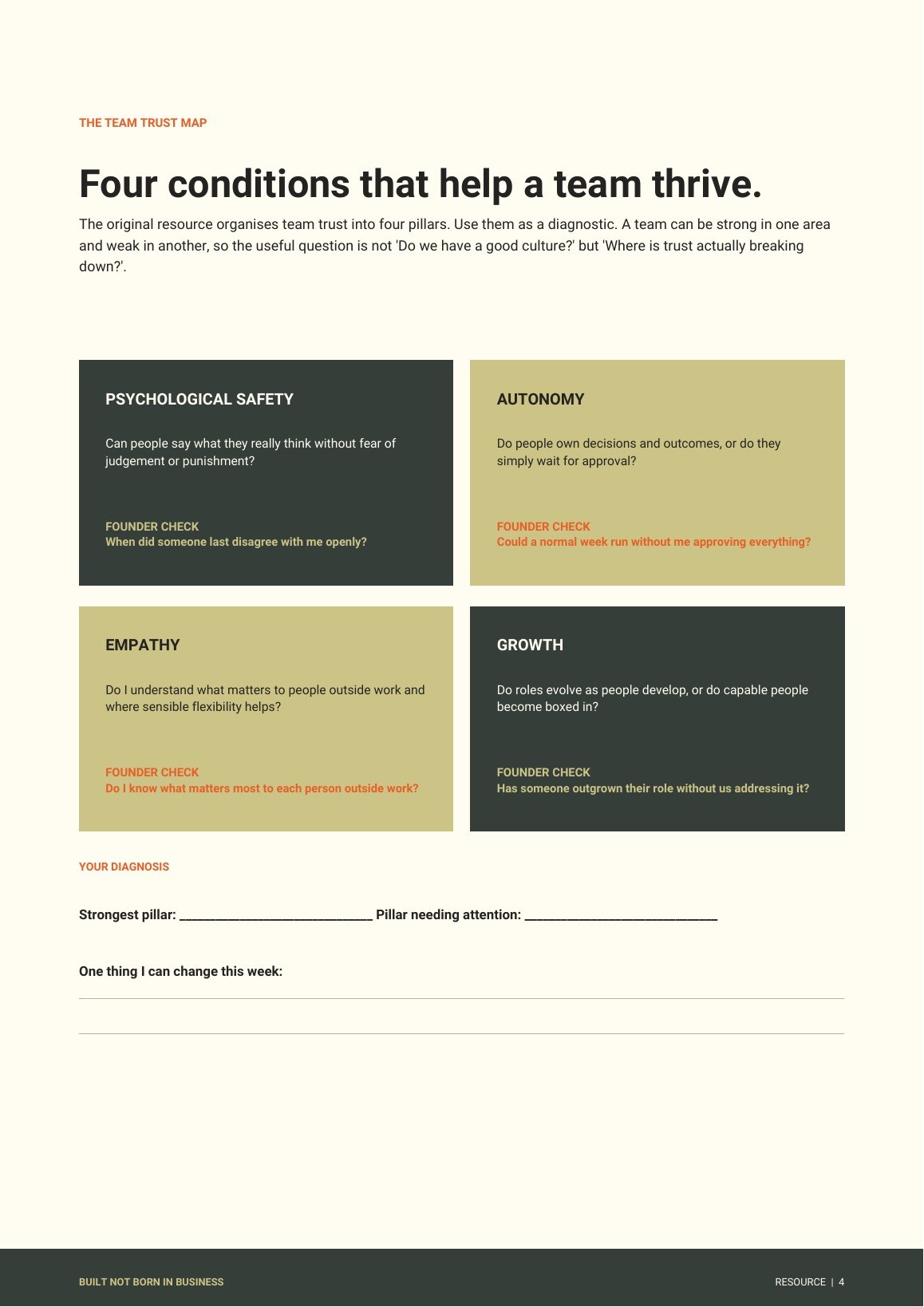
The Lead Without the Limelight Blueprint
A practical leadership workbook based on Arti Halai's reflections on trust and team leadership, for founders who want a team that can think, decide and grow without the founder doing everything. It covers psychological safety, autonomy, empathy, role growth, delegation, hiring gaps and difficult conversations.
Get this resource →